
“Namashkar…
If you were a Gujarati (treatment) cotton farmer in the
Sayla or Chotila taluka district in Surendranager, each Wednesday you’d be
receiving a call on your mobile phone that would begin with the above message
(in Gujarati, of course) with the voice of our Agriculture expert, Tarun
Pokiya.
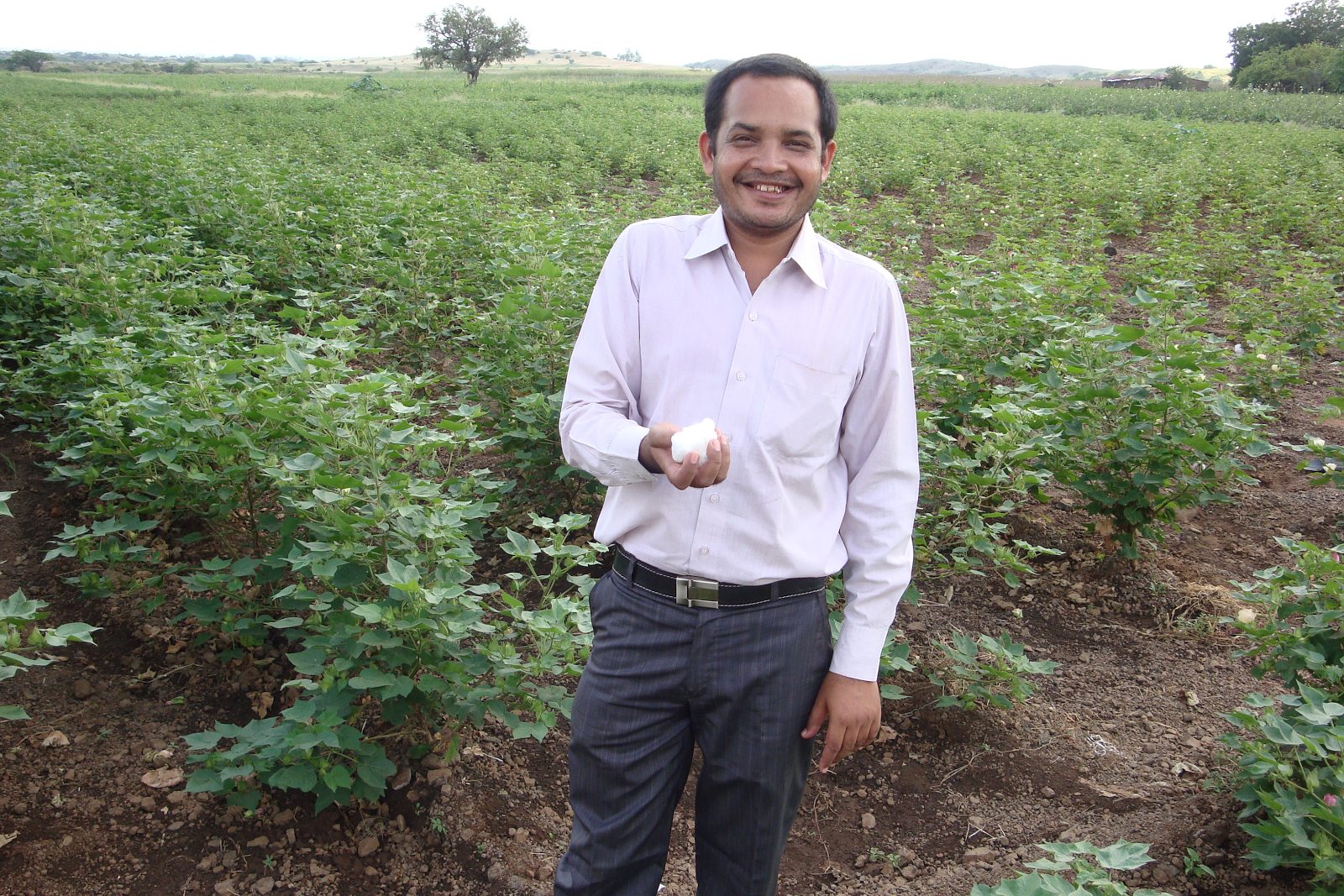
This service might be your only source of consistent agricultural
information…. Or it may supplement other sources, such as agro dealers, your
peers, and what you’ve learned from your family. The main goal of the AO project is to learn about the
impact of a mobile-based agricultural extension service for farmers. In order to really see if mobile-based
extension is different, a part of the intervention is to also hold physical
extension (in-person farming training sessions).
It’s Wednesday, December 5, 2012. I am sitting in the final physical extension session with 28 farmers in Sayla. As I am listening to the trainer describe the best ways to harvest cumin in Gujarati, I think to myself: “Wow. Never in my lifetime did I expect to be using Gujarati in a professional setting nor did I expect to be sitting in a classroom in central Gujarat learning about the best practices for Rabi crops.”
It’s Wednesday, December 5, 2012. I am sitting in the final physical extension session with 28 farmers in Sayla. As I am listening to the trainer describe the best ways to harvest cumin in Gujarati, I think to myself: “Wow. Never in my lifetime did I expect to be using Gujarati in a professional setting nor did I expect to be sitting in a classroom in central Gujarat learning about the best practices for Rabi crops.”
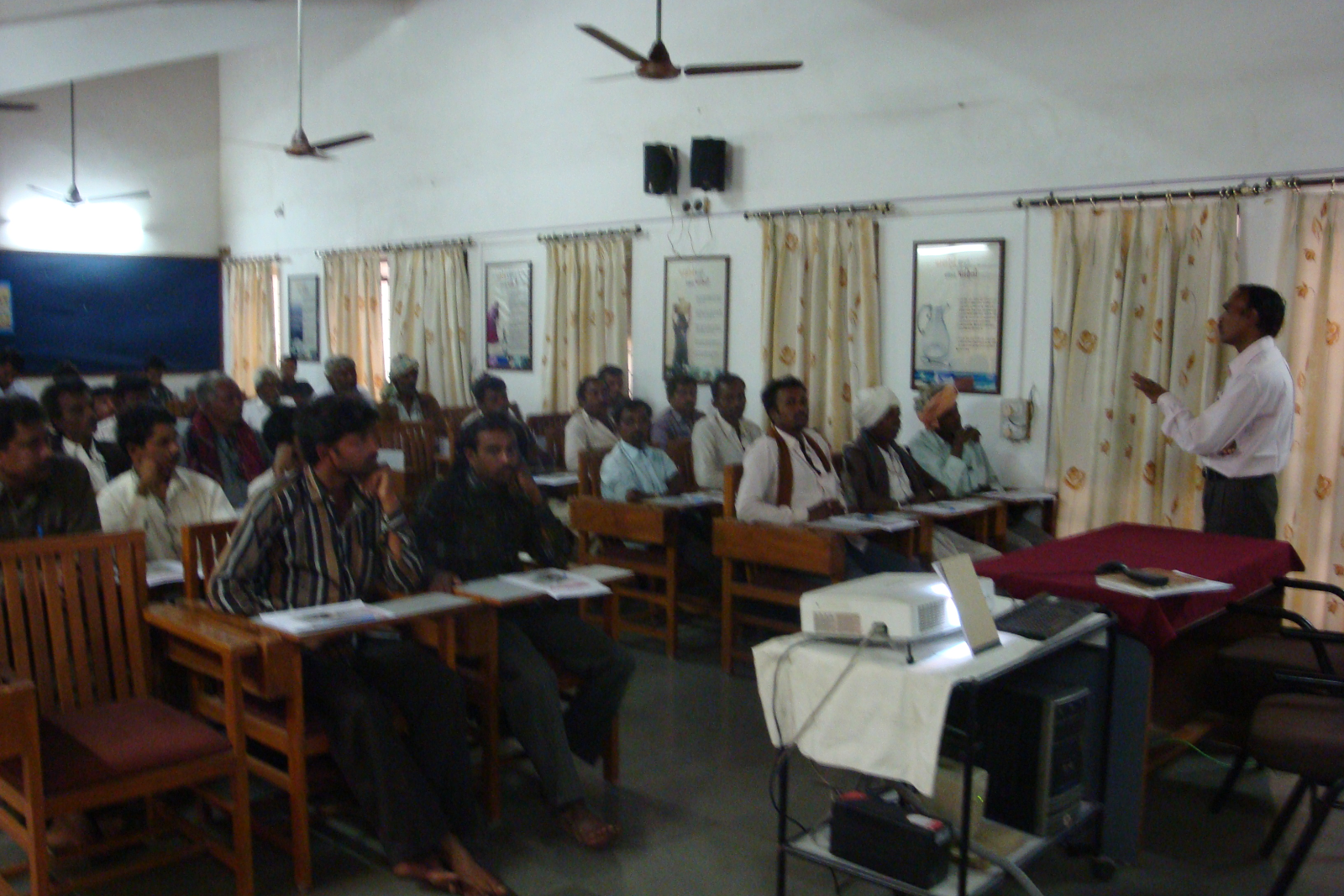
It felt quite surreal to be honest. Here I am, a Gujarati American, in a
world completely foreign, yet somewhat familiar to me. All my life I grew up eating wheat and
wearing cotton, but now I actually know where it comes from. While I couldn’t relate to the content
of the session, I could relate to being a student—to learning. And that’s exactly what our treatment
farmers were doing—they were learning.
Over the course of 6 days, we held 6 extension sessions for
our 400 treatment 1 farmers to learn about Rabi crops (everything from soil
preparation to disease management).
Three of our Ahmedabad-based phone surveyors made two rounds of phone
calls to our farmers informing them about the session, the date, and the free
lunch (of course, there’s no such thing as a free lunch). Our 7 extension coordinators
meticulously went to the specified villages each morning to gather only the
specific farmers we wanted. With
an attendance rate of about 37% (post-Diwali and the beginning of Rabi season),
we were quite happy with our turnout.
Thanks to our project assistant, Manish Sharma, the week went by
smoothly.
During the sessions, the farmers discussed cumin and wheat
practices, water management, pesticides, and other issues pertinent to their
fields. The trainers were
charismatic and simplified explanations so even a novice (like myself) could
understand. The farmers were given
pens and notepads and it was exciting to see some taking notes.
We’ll understand how and what information was absorbed between
our AO treatment group and our AO and physical extension treatment group during
the next round of surveying…. Until then, we’re back to Tarun’s weekly
messages.
This is a superb post A Short Message from the Avaaj Otalo Project benefit from the knowledge lot. I will bookmark this page. show gratitude’s for sharing this information.
ReplyDelete